Table of Content
- Core Definitions: Understanding the Modern Framework
- The Real Problem Isn’t Which Channels You’re On
- Why Businesses Are Actually Investing in Omnichannel Digital Marketing Now
- The One Asset Most Businesses Underinvest In
- First Impressions Are Not Forgiving Online
- A Strategic Website Doesn’t Just Sit There
- The Experience Is the Product
- Final Thought
- Frequently Asked Questions
- What is the difference between multichannel and omnichannel marketing?
- Why is a website central to a digital marketing strategy?
- How does omnichannel digital marketing improve customer retention?
- Author Box
Not long ago, running a decent website and keeping a Facebook page updated was genuinely enough.
I’m not exaggerating. Five, six years back, a clean site, some basic SEO, and the occasional email blast could fill a pipeline. Businesses weren’t asking for more, and honestly, customers weren’t expecting more either.
That window has closed.
Today, before someone contacts a business – any business – they’ve usually already visited the website twice, watched at least one video, read a few reviews, scrolled through social posts, maybe even sent a WhatsApp message. The decision to reach out has already been formed across five or six different moments, on different devices, over several days.
That’s not a niche behavior. That’s how most people operate now.
And it’s exactly why an integrated omnichannel marketing approach has stopped being a strategy reserved for large brands with large budgets and started being a baseline expectation.
Core Definitions: Understanding the Modern Framework
Before diving into execution, it is critical to define the foundational concepts driving modern business growth.
- Digital Marketing Strategy: A comprehensive, long-term plan that outlines how a business will utilize digital channels (search engines, websites, social media, email, and mobile apps) to reach targeted audiences and achieve specific corporate goals.
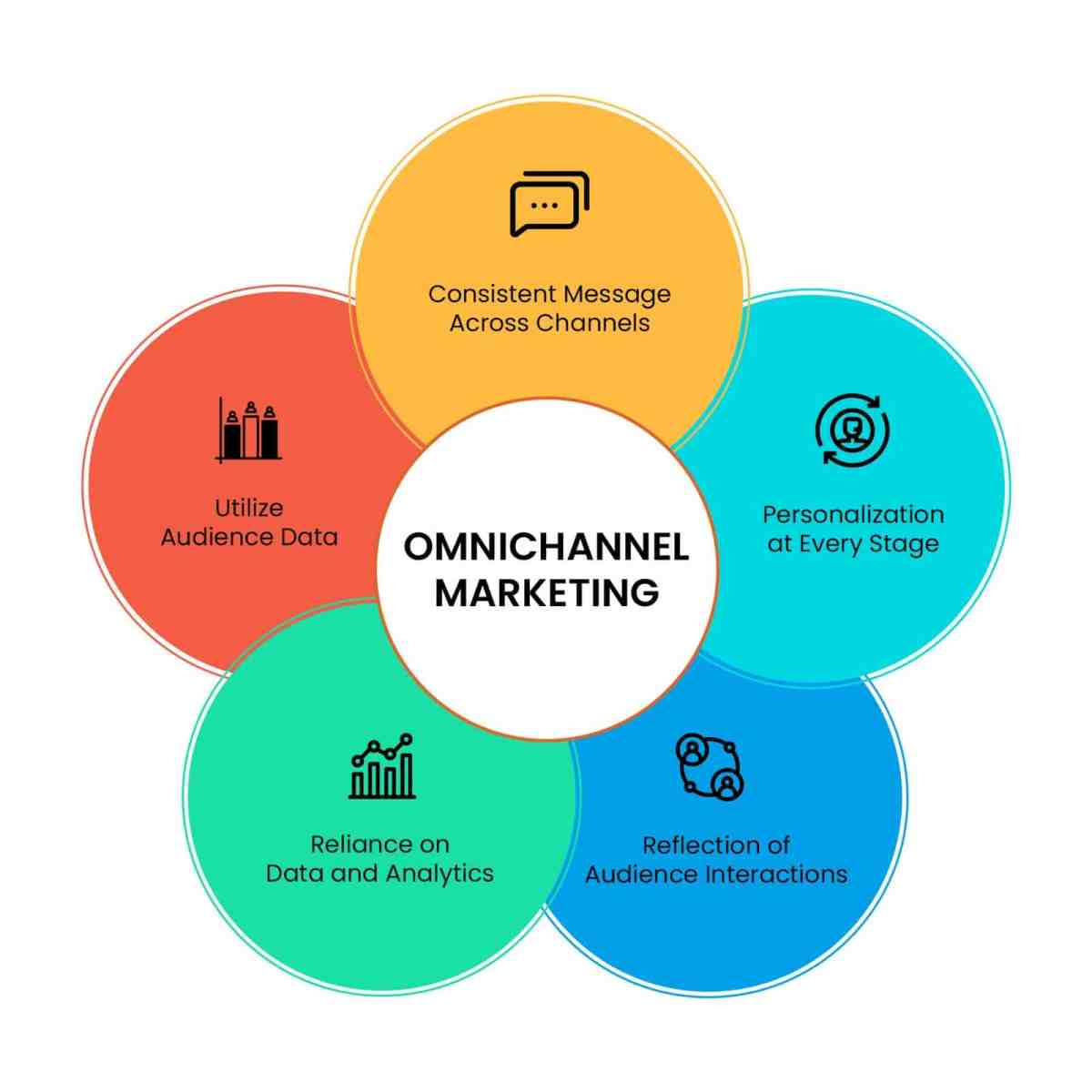
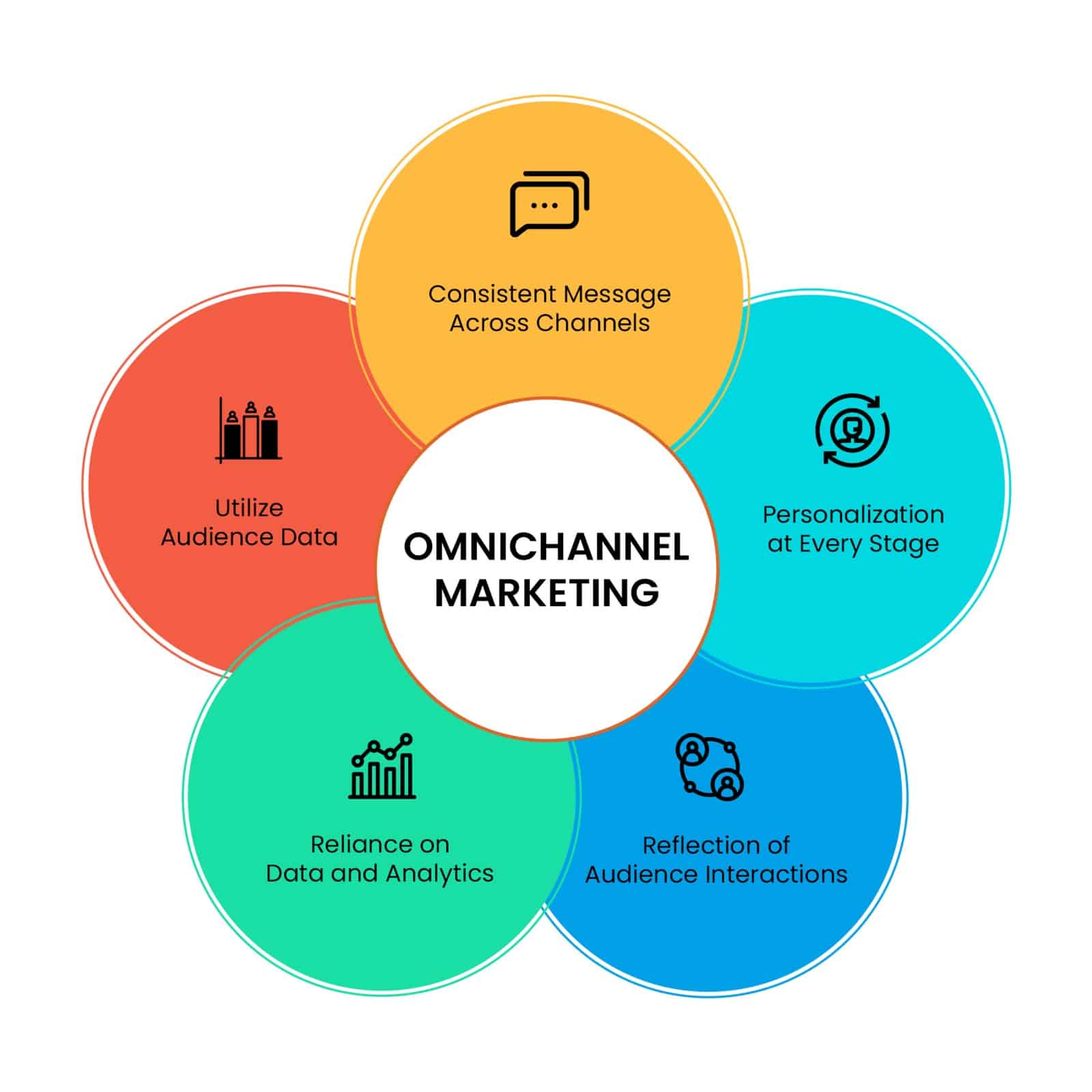
- Omnichannel Marketing: A customer-centric marketing approach that integrates various channels, both online and offline, to deliver a unified, consistent brand experience regardless of how or where a customer interacts with the business.
- Omnichannel Digital Marketing: The specific orchestration of all digital touchpoints (such as social media, websites, email, and messaging apps) so that a user’s data and context flow from one digital platform to the next.
The Real Problem Isn't Which Channels You're On
Here’s where most businesses go wrong.
They hear “omnichannel” and immediately start creating accounts. Facebook, Instagram, LinkedIn, YouTube, a newsletter, a WhatsApp Business profile. The logic feels sound: be everywhere, reach more people.
But being present on multiple platforms isn’t the same as having an omnichannel marketing strategy.
Not even close.
The difference comes down to one word: integration.
A customer might first spot you on Instagram. Then they search your name on Google. Then they visit your website. Then they subscribe to your newsletter. Each of those moments is a chance to either reinforce their confidence in you or quietly erode it.
When those touchpoints feel disconnected, something subtle happens. The trust that was building starts to unravel. It’s not dramatic. The customer doesn’t usually stop and think, “this brand feels inconsistent.” They just lose interest. They move on.
Executing a true omnichannel digital marketing approach is about making sure that doesn’t happen. Every channel supports the next one. Every experience feels like it belongs to the same brand.
Why Businesses Are Actually Investing in Omnichannel Digital Marketing Now
Three things have pushed omnichannel from “good idea” to “business necessity.”
- Customer expectations have shifted permanently. People now assume that businesses will meet them where they are, without friction. Moving from a social ad to a website to a product enquiry should feel seamless. When it doesn’t, the business pays the price, not the customer.
- Personalisation has become table stakes. When your channels are connected and feeding into the same picture of customer behaviour, you can stop guessing what people want. You can actually show it to them at the right moment.
- Competition is everywhere. Whatever your sector, your customer has options. Probably more than they need. The businesses winning aren’t always the ones with the biggest budgets. They’re the ones making the experience feel effortless.
There’s also a practical upside that often gets overlooked: when your channels talk to each other, your data gets smarter. You stop analysing Instagram performance in one tab and website conversions in another, wondering how they connect. You start to see the actual journey customers take and where it breaks down.
The One Asset Most Businesses Underinvest In
Here’s something I notice often, and it genuinely surprises me every time.
A business will spend heavily on Google Ads, run consistent social media campaigns, invest in good photography and then send all of that traffic to a website that was last updated in 2019.
It’s one of the most common and costly mismatches in a modern digital marketing strategy.
Your website is not just one channel among many. It is the centre of your entire digital presence.
Every ad you run points somewhere. Every social post links to something. Every email campaign has a destination. Almost always, that destination is your website.
When the website doesn’t hold up its end of the bargain, everything that came before it – the ad spend, the content, the social effort – loses its return.
A website is where people form opinions. It’s where trust is built or lost. It’s where a prospective customer decides whether your business is worth their time.
That’s an enormous amount of responsibility to place on something that many businesses treat as a one-time project.
First Impressions Are Not Forgiving Online
Offline, a first impression takes a few minutes to form. Online, it takes a few seconds.
Research on this has been consistent for years. Users decide whether a website feels credible almost instantly, before they’ve read a single word of your content. Visual design, load speed, mobile experience, ease of navigation: these aren’t nice-to-haves. They’re the threshold your brand has to clear just to stay in the room.
If your site is slow to load on a phone, most visitors leave before the page finishes loading. Not all of them. But enough to matter.
If your homepage is cluttered or hard to scan, people won’t try harder to understand it. They’ll find someone else who makes it easier.
The flip side of this is also true. A professionally designed, well-structured website doesn’t just hold attention, it amplifies every other marketing effort running alongside it. The confidence someone built from your social presence or your ad creative gets reinforced rather than undermined.
A Strategic Website Doesn't Just Sit There
When a website is designed with purpose, not just aesthetics, it becomes an active participant in your overall digital marketing strategy.
It helps search engines understand your content, which improves organic visibility. It gives your paid campaigns somewhere worth sending traffic, which improves conversion rates. It gives social media followers somewhere to go deeper into what you offer. It supports email campaigns with resources, articles, and clear calls to action.
This isn’t theory. It’s what happens when someone actually plans a website around the customer journey rather than around what looks good in a mockup.
The businesses that have figured this out don’t see their website as a separate project from their marketing. They see it as the thing their marketing is built around.
The Experience Is the Product
This is how people choose where to spend their money today.
Adopting an omnichannel marketing framework gives you the blueprint to map out this frictionless journey, while a highly functional website provides the actual engine to run it. When you combine the two, you achieve something a single channel could never pull off alone: you establish a dependable, cohesive brand experience that secures deep consumer trust over the long haul, rather than just hunting for short-term traffic.
Final Thought
Omnichannel is far more than an ad campaign or a software platform. It is a fundamental mindset regarding how buyers navigate the physical and digital world, forcing your business to present its best self at every single point of interaction.
The companies that achieve steady, sustainable growth over the coming years will not win simply because they threw the most money at advertising. They will win because they designed an experience that people genuinely want to return to.
Everything begins with a deep comprehension of that customer path. And the entire system is anchored by a website that validates the hard-won credibility your other marketing channels worked so tirelessly to build.
Frequently Asked Questions
What is the difference between multichannel and omnichannel marketing?
Think of multichannel marketing as merely broadcasting your brand through several disconnected apps. You host a website, you put up Instagram posts, and you send out mass emails, but they stay inside locked silos. True omnichannel marketing breaks down those walls completely. It ties your platforms into a collective network. Because of that, your buyer’s data and context flow right along with them. When a consumer shifts from clicking an ad on a smartphone to browsing on a laptop, your business actually remembers them. It feels like one continuous conversation.
Why is a website central to a digital marketing strategy?
Social platforms and paid search ads act like signposts on a highway. They capture attention, but nobody hangs out there permanently. Your website is the real destination. It anchors your entire digital marketing strategy. Sure, third-party channels work great for sparking that initial wave of interest, but you do not own them. Your website is your actual digital storefront. It is the single space where you possess total control to build real authority, answer tough customer objections, and convert casual traffic into corporate revenue.
How does omnichannel digital marketing improve customer retention?
People have zero patience for friction. If a buyer has to retype their info or repeat their problem because they moved from your app to your website, they will leave. An omnichannel digital marketing approach completely removes that frustration. It keeps the buyer’s journey moving forward naturally across different devices. When you make buying from you completely effortless, people stick around. That reliability builds genuine credibility, which naturally transforms one-time clicks into loyal regulars who keep coming back.
Author Box
Written by Esha Nanavati Varma is Operations Director and Digital Presence Strategist at Dreamsdesign. She works with businesses to align their website, marketing, and customer experience into a connected digital strategy that drives sustainable growth.